Copyright:
ArcelorMittal
update
client newsletter

ArcelorMittal Europe – Flat Products
Now the next step is urgently needed. The increase in imported steel derivative products – which are not covered by CBAM or TRQ – is threatening to erode any real benefit offered by the EU's current measures, and undermine much of Europe's broader steel-based value chain, not least in the strategically important electrical steels segment, but also in sectors such as automotive and packaging.
This backdrop is being exacerbated by the current volatile geo-politics and global trade dynamics.
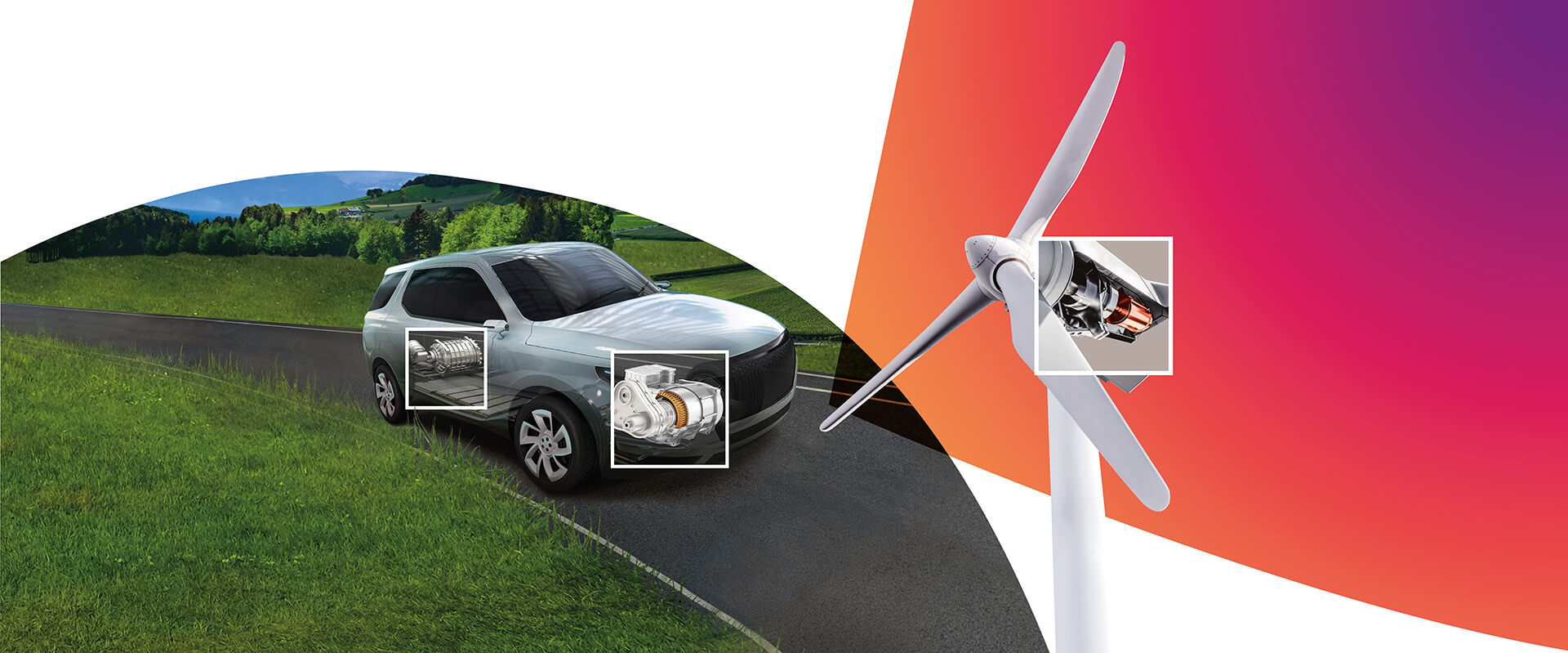
The non-grain oriented electrical steels (NGOES) – also known as non-oriented electrical steels (NOES) – value chain of electric motors and generators, and their component parts, laminations, stator and rotor cores, are key pillars of Europe’s energy transition plans. Every wind turbine generator, every electric vehicle traction motor, every industrial motor depends on it.
As the industry body, Electromechanics Synergy Network (ESN), has said: “The trajectory is clear - without intervention, Europe will find itself unable to produce e-motors or generators domestically, with severe consequences for its strategic autonomy and defence readiness.” Make no mistake, this is also a direct threat to thousands of skilled European industrial jobs.
Global excess capacity in the steel industry is expanding at its fastest pace since the 2008 financial crisis. Most new capacity is concentrated in Asia and the Middle East, in many cases supported by massive subsidies. The result is a sustained flood of artificially cheap exports unfairly undercutting EU producers at prices no market-based competitor can match.
Within the electrical steels market in Europe, nearly 2/3 of the NGOES needed for Europe's new electric motors and generators are now coming from outside the EU. All unhindered by EU fair trade and carbon reduction policy on the steel derivatives and downstream products.
Such imports threaten Europe's industrial capability, its competitiveness, resilience and strategic autonomy, and undermine the foundations of the EU's green and digital transitions. There is only a short window of opportunity to turn this around.
CBAM extension is being discussed and decided here and now. Consultation for the first scope extension for the steel trade measures commences on 1 July, when the TRQ comes into force. This is a critical date for us all to focus on in seeking to extend Europe’s trade measures to the fundamentally important derivatives market.
This is a call to action. Now. And it’s urgent.

by Paul Brettnacher,
CMO Central Accounts, ArcelorMittal Europe – Flat Products